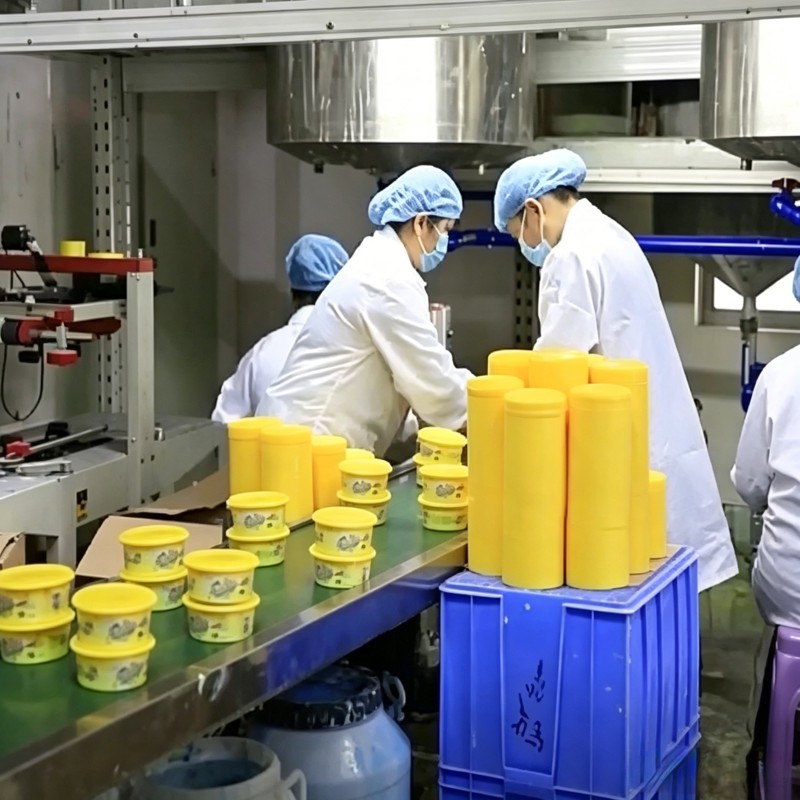
图片展示
English
  • English
  • Español
  • Latina
  • Pilipino
  • عربي
  • Français
  • Malay
  • Nederlands
  • IndonesiaName
  • Português
  • Deutsch
  • 简体中文
  • Русский
  • Italiano
  • 繁體中文
  • Polski
  • Tiếng Việt
  • ТаjikӣName
  • БеларускаяName
  • ภาษาไทย
  • Basa Indonésia
  • қазақ
  • Dansk
  • o'zbek
  • basa jawa
  • УкраїнськаName
  • 한국어
  • 日本語
  • Кыргыз тили
  • היברית
  • Türkmençe
  • Bosanski
  • Ruwanda
  • Luganda
  • suomi
  • Türkçe
  • Svenska
  • română
  • Čeština
  • Catalan
  • Български
  • Eesti keel
  • Íris
  • ກະຣຸນາ
  • shqiptare
  • Slovenská
  • norwegian
  • AzerbayjanlıName
  • Ελληνικά
  • slovenščina
  • Magyar
  • ÍslandName
  • বাংলা
  • Maori
Search

Can a Plant-Based Cleaner Remove Deep Fried Grease? (Yes—If You Pick the Right Formula)

2026-07-17 10:59:10

Click:

Wondering if a plant-based cleaner can tackle deep fried grease? Here's how APG surfactants and enzymes work—and why E&B dishwashing paste punches above its weight on heavy kitchen oil

Can a Plant-Based Cleaner Remove Deep Fried Grease? (Yes—If You Pick the Right Formula)


Wondering if a plant-based cleaner can tackle deep fried grease? Here's how APG surfactants and enzymes work—and why E&B dishwashing paste punches above its weight on heavy kitchen oil.


Deep fried grease is a different beast from the thin oily film on a salad plate. We're talking polymerized oil that's been heated past smoke point, splattered onto a wok rim, baked onto the range hood, then ignored for three days. It turns yellowish, then brown, then almost shellac-like.

So the short answer: yes, a plant-based cleaner can remove deep fried grease—but not every 'natural' bottle on the shelf will do it. The trick is formulation, not just the 'plant-based' label.


Why deep fried grease is stubborn in the first place

When cooking oil hits high heat (especially repeated frying or wok searing), two things happen:

  1. Polymerization – oil molecules cross-link into a tacky, resin-like layer that mechanically grips stainless steel and enamel.

  2. Carbonization at the edges – where the pan rim meets the burner flame, oil partially chars and bonds to the surface.

Petroleum-based degreasers (think butoxyethanol or linear alkylbenzene sulfonate) blast through this by brute force. But a well-formulated plant-based cleaner can get there too—via a different route.


What 'plant-based' actually does to grease

Two mechanisms matter here:

???? 1. Plant-derived surfactants (APG & saponins)

Alkyl polyglucosides (made from corn glucose + coconut alcohol) and plant saponins (soapberry, tea seed) have hydrophilic heads and lipophilic tails, same as synthetic surfactants—but they cut surface tension by ~40% compared to older sulfate types, and they biodegrade cleanly. They form micelles that lift polymerized oil off the surface instead of just sliding over it .

???? 2. Enzyme support (the quiet hero)

Some plant-based formulas add lipase (fat-splitting enzyme) or use fermented plant extracts. Lipase snips the ester bond in triglycerides, turning a big stubborn oil molecule into glycerol + fatty acids, which then rinse away easily . This is especially useful on deep fried grease, which is basically a triglyceride crust.

???? Rule of thumb: if a plant-based product only lists 'plant extracts' but no surfactant system (APG / saponin / soap base), it'll handle light oil—not the wok after a weekend fry-up.


Where E&B fits in (and which product to reach for)

This is where our E&B lineup comes in. We've been running a dedicated dishwashing paste line since 2010 out of Guangzhou, and the formula was built specifically for heavy kitchen oil—not just lightly soiled plates.

E&B Dishwashing Paste — the everyday fry-day workhorse

Our E&B dishwashing paste (kitchen cleaning paste) is a solid-format, APG-forward formula designed to replace liquid dish soap in markets where heavy grease is the norm (wok kitchens, fried snack stalls, home deep-fryers).

Long-tail anchor we see people actually searching:

'plant based dishwashing paste for deep fried grease' | 'heavy duty eco friendly kitchen cleaning paste'

Why it works on deep fried grease:

  • Solid concentrate = higher active loading than most liquids, so you use less per scrub

  • APG + mild builder system emulsifies polymerized oil without the 'petrochemical bite'

  • Kind-to-hand profile (no butoxyethanol, no SLES) — important if you're scrubbing a fryer basket for 10 minutes straight

  • Low-water-rinse — the paste sticks to vertical surfaces (range hood, wok rim) instead of dripping off

???? Use it like this on deep fried mess: apply paste to a wet non-scratch sponge, work the wok rim or fryer basket for 30–60 seconds, let it sit 2–3 minutes on really baked-on spots, then rinse. The grease lifts in sheets, not bits.

???? E&B Cleaning Paste  — for the 'shellac' layer

If the grease has crossed into carbonized territory—think the black-brown ring on a cast iron wok edge or the sticky film on a range hood cover—the E&B cleaning paste (our patented scrub paste) is the better call. It's got a mild abrasive + surfactant combo that physically disrupts the polymerized layer while the surfactant carries it off.

Use dishwashing paste for daily/lighter fried oil → use cleaning paste for the quarterly 'why is my hood dripping' session.


Plant-based vs. petroleum degreaser: honest comparison

Dimension

Petroleum degreaser

E&B plant-based paste

Deep fried grease removal

⭐⭐⭐⭐⭐ brute force

⭐⭐⭐⭐ with soak time

Hand irritation

Common (gloves advised)

Low (no SLES/SLES-free)

Biodegradability

Often poor

>90% in 28 days

Vertical-surface cling

Runs off

Paste stays put

Price per wash

Lower upfront

Lower total (concentrated)

The gap isn't 'can it remove'—it's 'how fast.' Plant-based pastes usually want an extra 2–3 min dwell time on heavy fry grease. Petroleum sprays win on speed; pastes win on hands, rinsability, and what goes down the drain.


FAQ 

Q: Is plant-based cleaner as strong as chemical degreaser on deep fried grease?

A: On fresh fried oil, yes—comparable. On month-old polymerized range-hood grease, a petroleum degreaser is faster; a plant-based paste like E&B dishwashing paste needs a short soak but gets there without gloves.

Q: Do I need hot water with plant-based paste?

A: Warm (40–50 °C) helps the surfactant and any enzyme component work faster, but E&B paste emulsifies at tap temp too—just give it an extra minute.

Q: Can I use E&B dishwashing paste on the range hood, not just dishes?

A: Yes—that's the point. It's positioned as a kitchen-utensil + surface paste. For the worst carbonized bits, pair it with the E&B cleaning paste.

Q: 'Plant based' vs 'biodegradable'—same thing?

A: Not always. 'Plant based' refers to feedstock; 'biodegradable' refers to end-of-life. E&B pastes are both—APG biodegrades >90% in 28 days, and the base is coconut/corn-derived.


Bottom line

If your 'deep fried grease' means a wok after Saturday night tempura—yes, a plant-based cleaner absolutely handles it, especially a concentrated paste built for heavy oil like E&B dishwashing paste. If it's a range hood that hasn't been touched since 2022, step up to the cleaning paste and give it five minutes. Either way, you don't need butoxyethanol to get a clean pan.


Explore E&B: [Dishwashing Paste (800g, lime / lemon / orange)] | [Cleaning Paste / Decontamination Paste] — OEM & private label available, original China factory since 2010.


Author: 广州亿奇科技股份有限公司
0
Pass this on!
YouArticle
已有0人推荐
文章推荐

Related News

Can a Plant-Based Cleaner Remove Deep Fried Grease? (Yes—If You Pick the Right Formula)

2026-07-17 10:59:10

Click:

Wondering if a plant-based cleaner can tackle deep fried grease? Here's how APG surfactants and enzymes work—and why E&B dishwashing paste punches above its weight on heavy kitchen oil

Can a Plant-Based Cleaner Remove Deep Fried Grease? (Yes—If You Pick the Right Formula)


Wondering if a plant-based cleaner can tackle deep fried grease? Here's how APG surfactants and enzymes work—and why E&B dishwashing paste punches above its weight on heavy kitchen oil.


Deep fried grease is a different beast from the thin oily film on a salad plate. We're talking polymerized oil that's been heated past smoke point, splattered onto a wok rim, baked onto the range hood, then ignored for three days. It turns yellowish, then brown, then almost shellac-like.

So the short answer: yes, a plant-based cleaner can remove deep fried grease—but not every 'natural' bottle on the shelf will do it. The trick is formulation, not just the 'plant-based' label.


Why deep fried grease is stubborn in the first place

When cooking oil hits high heat (especially repeated frying or wok searing), two things happen:

  1. Polymerization – oil molecules cross-link into a tacky, resin-like layer that mechanically grips stainless steel and enamel.

  2. Carbonization at the edges – where the pan rim meets the burner flame, oil partially chars and bonds to the surface.

Petroleum-based degreasers (think butoxyethanol or linear alkylbenzene sulfonate) blast through this by brute force. But a well-formulated plant-based cleaner can get there too—via a different route.


What 'plant-based' actually does to grease

Two mechanisms matter here:

???? 1. Plant-derived surfactants (APG & saponins)

Alkyl polyglucosides (made from corn glucose + coconut alcohol) and plant saponins (soapberry, tea seed) have hydrophilic heads and lipophilic tails, same as synthetic surfactants—but they cut surface tension by ~40% compared to older sulfate types, and they biodegrade cleanly. They form micelles that lift polymerized oil off the surface instead of just sliding over it .

???? 2. Enzyme support (the quiet hero)

Some plant-based formulas add lipase (fat-splitting enzyme) or use fermented plant extracts. Lipase snips the ester bond in triglycerides, turning a big stubborn oil molecule into glycerol + fatty acids, which then rinse away easily . This is especially useful on deep fried grease, which is basically a triglyceride crust.

???? Rule of thumb: if a plant-based product only lists 'plant extracts' but no surfactant system (APG / saponin / soap base), it'll handle light oil—not the wok after a weekend fry-up.


Where E&B fits in (and which product to reach for)

This is where our E&B lineup comes in. We've been running a dedicated dishwashing paste line since 2010 out of Guangzhou, and the formula was built specifically for heavy kitchen oil—not just lightly soiled plates.

E&B Dishwashing Paste — the everyday fry-day workhorse

Our E&B dishwashing paste (kitchen cleaning paste) is a solid-format, APG-forward formula designed to replace liquid dish soap in markets where heavy grease is the norm (wok kitchens, fried snack stalls, home deep-fryers).

Long-tail anchor we see people actually searching:

'plant based dishwashing paste for deep fried grease' | 'heavy duty eco friendly kitchen cleaning paste'

Why it works on deep fried grease:

  • Solid concentrate = higher active loading than most liquids, so you use less per scrub

  • APG + mild builder system emulsifies polymerized oil without the 'petrochemical bite'

  • Kind-to-hand profile (no butoxyethanol, no SLES) — important if you're scrubbing a fryer basket for 10 minutes straight

  • Low-water-rinse — the paste sticks to vertical surfaces (range hood, wok rim) instead of dripping off

???? Use it like this on deep fried mess: apply paste to a wet non-scratch sponge, work the wok rim or fryer basket for 30–60 seconds, let it sit 2–3 minutes on really baked-on spots, then rinse. The grease lifts in sheets, not bits.

???? E&B Cleaning Paste  — for the 'shellac' layer

If the grease has crossed into carbonized territory—think the black-brown ring on a cast iron wok edge or the sticky film on a range hood cover—the E&B cleaning paste (our patented scrub paste) is the better call. It's got a mild abrasive + surfactant combo that physically disrupts the polymerized layer while the surfactant carries it off.

Use dishwashing paste for daily/lighter fried oil → use cleaning paste for the quarterly 'why is my hood dripping' session.


Plant-based vs. petroleum degreaser: honest comparison

Dimension

Petroleum degreaser

E&B plant-based paste

Deep fried grease removal

⭐⭐⭐⭐⭐ brute force

⭐⭐⭐⭐ with soak time

Hand irritation

Common (gloves advised)

Low (no SLES/SLES-free)

Biodegradability

Often poor

>90% in 28 days

Vertical-surface cling

Runs off

Paste stays put

Price per wash

Lower upfront

Lower total (concentrated)

The gap isn't 'can it remove'—it's 'how fast.' Plant-based pastes usually want an extra 2–3 min dwell time on heavy fry grease. Petroleum sprays win on speed; pastes win on hands, rinsability, and what goes down the drain.


FAQ 

Q: Is plant-based cleaner as strong as chemical degreaser on deep fried grease?

A: On fresh fried oil, yes—comparable. On month-old polymerized range-hood grease, a petroleum degreaser is faster; a plant-based paste like E&B dishwashing paste needs a short soak but gets there without gloves.

Q: Do I need hot water with plant-based paste?

A: Warm (40–50 °C) helps the surfactant and any enzyme component work faster, but E&B paste emulsifies at tap temp too—just give it an extra minute.

Q: Can I use E&B dishwashing paste on the range hood, not just dishes?

A: Yes—that's the point. It's positioned as a kitchen-utensil + surface paste. For the worst carbonized bits, pair it with the E&B cleaning paste.

Q: 'Plant based' vs 'biodegradable'—same thing?

A: Not always. 'Plant based' refers to feedstock; 'biodegradable' refers to end-of-life. E&B pastes are both—APG biodegrades >90% in 28 days, and the base is coconut/corn-derived.


Bottom line

If your 'deep fried grease' means a wok after Saturday night tempura—yes, a plant-based cleaner absolutely handles it, especially a concentrated paste built for heavy oil like E&B dishwashing paste. If it's a range hood that hasn't been touched since 2022, step up to the cleaning paste and give it five minutes. Either way, you don't need butoxyethanol to get a clean pan.


Explore E&B: [Dishwashing Paste (800g, lime / lemon / orange)] | [Cleaning Paste / Decontamination Paste] — OEM & private label available, original China factory since 2010.


Author: 广州亿奇科技股份有限公司
0
Pass this on!
YouArticle
已有0人推荐
文章推荐

Related News

Leave A Message

Use the form below to get in touch with the sales team


  • Your name

  • Your email

  • Phone

  • Subject

  • Message

  • Submit

  • Security Code
    Refresh the code
    Cancel
    Confirm
图片展示

Home   | Supply Chain  |  Brand Story |  About us  |  Contact Us   |  Site Map

Guangzhou YIQI Technology ,Co.,Ltd

Tel/Whatsapp/Wechat:+8618011826020

Email: erik@gzyiqigf.com
Factory Add:Room 501,Building 1 Jingshun Creative Park, No.14, Lixin 12th

Road Xintang Town, Zengcheng District Guangzhou,Guangdong,China                                                            


Contact Info:

erik@gzyiqigf.com

Tel/Whatsapp/Wechat: +8618011826020    

 Source Factory: Room 101,Building 3 Jingshun Creative Park, No.14, Lixin 12th Road Xintang Town, Zengcheng District Guangzhou,Guangdong,China


Follow Us:

                                                                            ©2026. E&B Brands gzyiqi technology Co.,Ltd. All Rights Reserved

Add WeChat friend to learn more about the product
Use Enterprise WeChat
"Scan" to join the group chat
Copy success!
Add WeChat friend to learn more about the product
I see.